Shop RNIB Donate now

Cataracts

A cataract is a clouding of the lens inside your eye. Developing cataracts will cause your sight to become cloudy and misty. Cataracts are treated by surgery, during which the cloudy lens is removed and replaced by an artificial lens. Here you will find support on living well with cataracts, what to expect pre, during and post-surgery, get answers to your frequently asked questions and understand the cataracts journey.

Practical tools and tips straight to your inbox

Keep reading for more information, or sign up now for practical tips, tools and guidance straight to your inbox.

Sign up
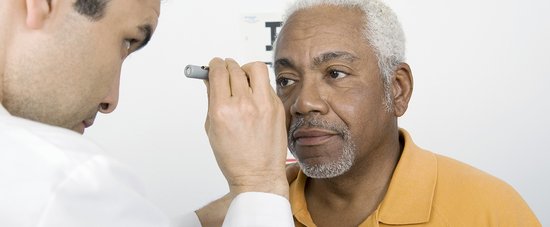
A man having an eye test. He has a focused expression, grey hair and a grey beard and is wearing a pale orange coloured polo shirt. An optician, standing to the left, shines a light from a small torch into his eyes. The optician is looking at the man’s eyes. Behind them is a plain white wall.

General information

How we can help

Frequently asked questions

What are the common symptoms of cataracts?

Common symptoms of cataracts include:

  • Blurry or cloudy vision
  • Sensitivity to light and glare
  • Colours look less bright
  • Difficulty seeing in dim light
  • Your glasses seem dirty even when they aren’t

If you have any of these symptoms and haven’t spoken to your optician, book an eye test right away.

What caused my cataracts?

The most common cause for cataracts is due to age. Other reasons why you may be more likely to develop cataracts include: diabetes, eye surgery, high myopia, other eye conditions (e.g. glaucoma), or an eye injury. Your optometrist (optician) or eye doctor will be able to discuss the reason why you’ve developed cataracts with you.

Are cataracts painful?

Cataracts themselves are not painful. You can’t ‘feel’ a cataract. In the early stages, you may not even notice any symptoms. However, as cataracts progress and cloudiness in the lens worsens, you may experience changes in your vision, such as blurriness or sensitivity to light. Tell your optometrist or eye doctor if you experience any discomfort related to cataracts.

Do cataracts pass from one eye to the other?

Cataracts do not pass directly from one eye to the other like an infection. Cataracts usually affect both eyes, but one eye may be affected before the other.

Can I drive with cataracts?

If you have cataracts in both eyes, check with your optometrist about whether it’s safe for you to drive. This will depend on whether your vision meets the DVLA’s vision standards.

Do I need surgery?

Cataracts can be removed at any stage if they are impacting your day to day activities. You don’t have to wait for them to ‘ripen’ before having surgery. Whether or not you need surgery right away depends on how much your sight is affected and how they affect your quality of life. It can also depend on whether you have any other eye conditions.

In some cases, early-stage cataracts might not impact your vision and updating your glasses prescription or using brighter lighting might be enough. However, as cataracts progress, surgery may be the best option.

Your optometrist can monitor your cataracts at regular eye tests and can help you decide when you want to be referred for cataract surgery.


How safe is the surgery and does it hurt?

Most people have cataract surgery under a local anaesthetic. This means that you’ll be awake during the surgery, but you won’t feel any pain. The local anaesthetic is usually given as eye drops, but occasionally an injection may be used or a combination of both. It’s one of the quickest operations. The actual surgery only lasts about 20 minutes and you’ll usually be at the hospital for about half the day.

What are common side effects of surgery?

While cataract surgery is usually safe and successful, common side effects include:

  • Temporary blurred vision due to the drops used for surgery – this should improve the next day.
  • Sensitivity to light and glare and things will appear brighter than they were before
  • Dry or gritty eyes
  • Minor discomfort or irritation
  • Some redness or bruising around the eye.

Most of these side effects go away within a few days as the eyes heal. If you are concerned about any side effects you’re experiencing after surgery, contact your cataract clinic straight away.

Will I need to wear glasses after my surgery?

Most people will still need glasses to make their vision clear at one or more distances - these will most likely be different to the glasses you had before surgery.

Can cataracts come back after surgery?

Once a cataract is removed, it cannot come back.

What if I don’t have cataract surgery?

If left untreated, cataracts can get worse over time and continue to impact your vision and quality of life. If surgery is delayed, your vision will become cloudier, but the surgery results will be the same as if you had it earlier. Sometimes, very dense cataracts are harder to remove, and surgery may have more risks, but they can still be treated to improve your vision.

The decision to have surgery is a personal one that should be made with the guidance and support of your optometrist and eye doctor.

Page last reviewed: April 17, 2025

Next review due: April 15, 2026