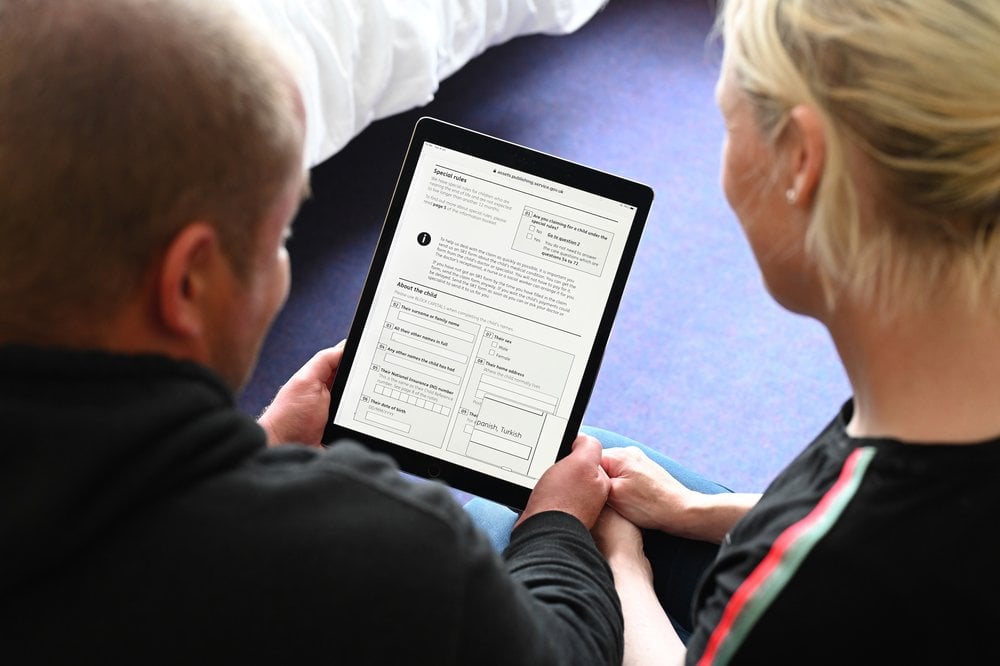
When applying for financial support, you may be asked to provide documents such as:
- Certificate of Vision Impairment (CVI)
- A letter of vision impairment or diagnosis
- Supporting letters and reports from professionals
- A diary of observations from a parent or carer
Keeping a folder of original documents throughout a person’s life can help demonstrate whether their needs have changed or remained consistent over time, as well as what their needs may be at the time of application.
Only send copies of any documents when evidence is required.
Certificate of Vision Impairment (CVI)
This document provides evidence that someone is:
- Sight Impaired (SI)
- Severely Sight Impaired (SSI)
Eligibility for financial support can vary dependent on the two categories of certification.
Find out more about Certification and Registration
Alternatives to a CVI
Children under 16 in Scotland may be on the Visual Impairment Network for Children and Young People (VINCYP) pathway and so are unlikely to have a CVI. Parents can also choose not to have a CVI issued or an eye health professional may not be able to issue one. In these cases, other forms of evidence may be used.
Letter of vision impairment or diagnosis
You can ask for a referral letter from a high street optician or hospital eye clinic.
This letter may include:
- a diagnosis or details of an observed but undiagnosed vision impairment
- details about any needs related to the vision impairment
This letter can support applications for services, benefits, concessions and grants.
Support from professionals
Applications for financial support often require a supporting letter from a professional. This letter may confirm that:
- a particular type of specialist equipment or support is needed
- the equipment or support can’t be provided by the local authority or sensory service.
Professionals may also
- provide copies or summaries of their reports
- apply for grants on behalf of a family or alongside a parent or carer.
Keeping a diary of observations
A brief diary may help you understand and communicate your child’s behaviours and establish their needs.
You may want to record:
- time and date of the activity
- what your child struggled with and why
- what your child could access and how
- how long they took part in the activity
- how much they could do independently
- the kind of support, if any, your child responded to
- signs of fatigue and when they started
- your child’s own comments or behaviours related to their vision
It’s important to record positive and negative observations. For example:
- a child saying, “I can see this”
- is just as important as a child saying, “This is making me dizzy”.
- Some parents or carers may want to log everything for two to four weeks. Others might prefer to track specific activities over a longer time.