





Shop RNIB Donate now

World Book Day

World Book Day is a celebration of reading for children and young people that takes place in March every year.

What is World Book Day?

Over 100 countries are involved in the celebrations which include low or no-cost access to books, fun activities to explore the stories you’re reading, and even a competition!

World Book Day® is a charity that champions reading for fun, because it seriously improves lives. They want more children to grow up with a life-long, life-changing habit of reading for fun, and all the benefits this brings. This year’s World Book Day takes place on Thursday 5 March and is all about throwing off pressures and expectations around reading, and affording children the right to choose which books and forms of reading they want to engage with.

The UK World Book Day founder, Baroness Gail Rebuck, drew on her own struggles with education and learning when she was a child while she was creating the celebration, turning something that was hard to access into her passion.

World Book Day focuses on reading for pleasure, and our activities will explore the six elements that they recommend, helping you to enjoy the books you’re diving into. The elements are:

  • Being read to regularly.
  • Having books at home and school.
  • Having a choice in what to read.
  • Finding time to read.
  • Having trusted help to find a book.
  • Making reading fun!

World Book Day 2026 Books

British Library World Book Day activity with Sibéal Pounder on 15 March

Sunday 15 March at 11.30am-12.30pm, 1.30-2.30pm and 3-4pm

British Library, 96 Euston Rd, London, NW1 2DB

Families of children aged 7+

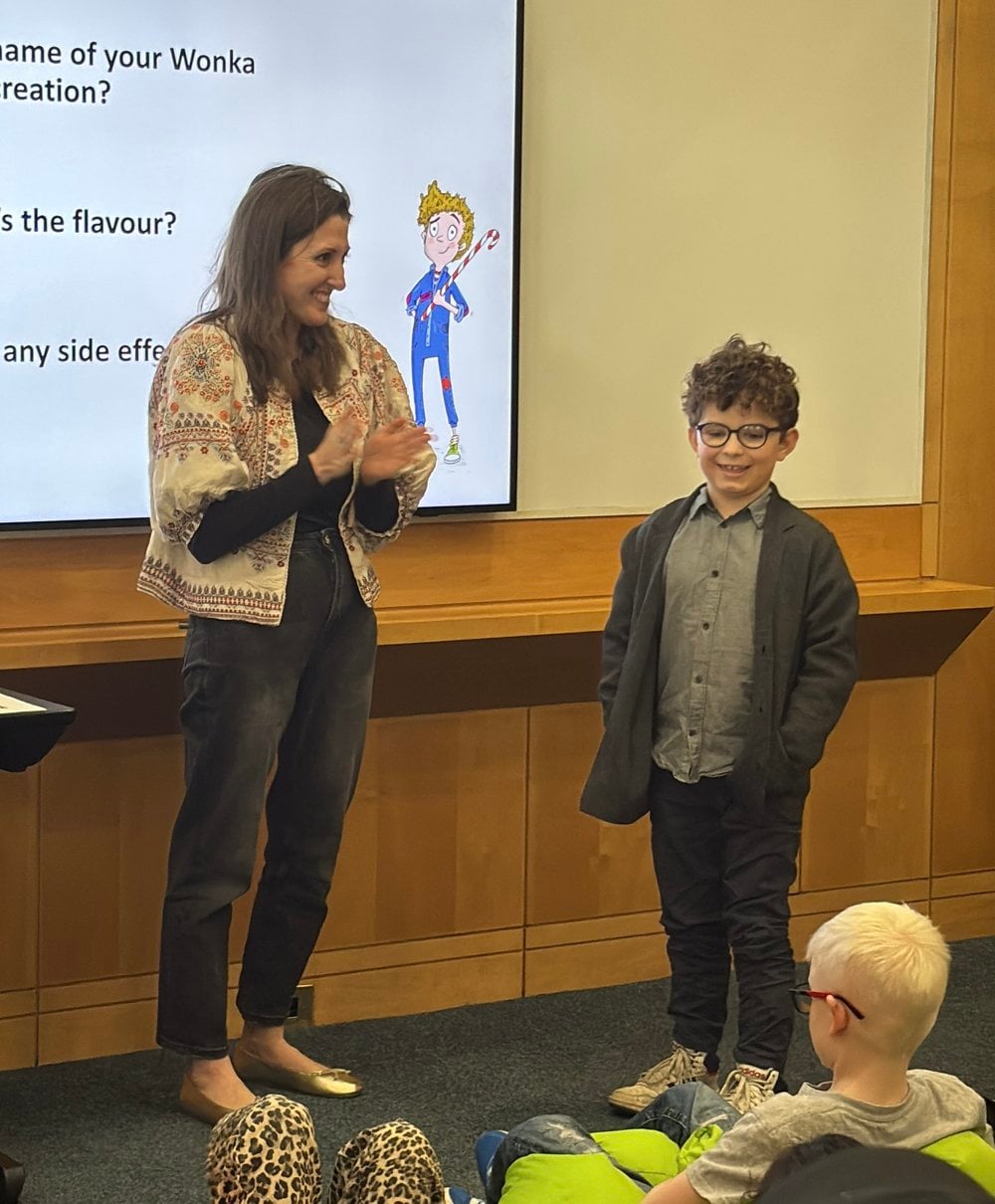
The British Library, in partnership with the charity World Book Day, is putting on a free VI-friendly activity and author meet with Sibéal Pounder, writer of the World Book Day 2026 £1 book ‘Chaos at the Chocolate Factory’.

RNIB and VICTA families are being given priority booking and we’re consulting on the activity design to make sure everyone can get involved.

At each session, Sibéal will read part of ‘Chaos at the Chocolate Factory’ and talk with the families. The book was inspired by Roald Dahl’s Charlie and The Chocolate Factory and has some fantastic illustrations by Emily Jones, so then we’ll make our own experimental sensory Wonka creations in the British Library’s pop-up Wonka factory and create our own fantastic illustrations.

To book your place, please email the following to [email protected] by 18 February:

  • Your name
  • The number of people in your family
  • Your child’s vision impairment and any additional needs
  • Which session you’d like to attend: 11.30am, 1.30pm or 3pm
Image shows Sibéal Pounder smiling with long dark hair and wearing a black top

Image shows Sibéal Pounder smiling with long dark hair and wearing a black top

Puffin and VICTA logos

About the book

Charlie Bucket is having a magical time learning to run Mr Willy Wonka’s famous chocolate factory. There are so many delicious new creations to be invented! And as long as there is a Wonka chocolate factory, there will be a Willy Wonka pinging about like an excited squirrel inside it – along with his brilliant Oompa-Loompas, who know just how to keep everything running smoothly.


But everyone needs a holiday, even Oompa-Loompas. And that’s where this story begins . .
When Mr Wonka and the Oompa-Loompas decide it’s time to go on an adventure to look for marvellous new recipe ingredients, Charlie is left to run the factory by himself for the first time. And it’s fair to say things don’t quite go to plan . . .

Can Charlie use his imagination to save the chocolate factory from disaster – or will all the chaos mean closing the factory gates forever?

Accessible ways to celebrate World Book Day

Read a story together

Reading together is a lovely family activity and borrowing books from a library gives you free access to all kinds of reading materials.

Below is a link to join RNIB Library, but first here are some suggestions for things to try while you’re reading:

  • Pick a book to read together then find a comfortable space. Remember to check that the environment works for everyone: think about lighting and any external noise or other sensory distractions.
  • Read the story together, taking it in turns to read a line, paragraph or page.
  • Bring the story to life by adding sound effects or trying different voices for the characters. If you have them, use props to represent different aspects of the story.
  • When you’ve finished the story, ask each other questions to see how much of it you can remember – this can be made into a competition if that’s something your family enjoys.

If you need the same book in different formats, here are some places to try:

Recreating the story

Imagine the characters, settings and ideas in the story coming alive in your mind - try some of these activities to bring them to life:

Dress up

Do the characters dress in a particular way, have a certain hairstyle, accessories? Use clothes and items from your home to get into character and imagine how it feels to be them. You could even try out your new voice for the character too!

Set the scene

Where does the story take place? Gather plants and flowers to recreate outdoor settings. Make a mountain range by piling up cushions or use them to build tunnels to crawl through.

Put it all together:

Try to recall scenes from the book and act them out in your own style. What did you remember and what did you miss? Did you learn anything new about the character when you were pretending to be them?

Don’t forget to think about all the senses when recreating a scene or bringing a story to life. How does the story smell, feel, and sound? Bag Books provide some great sensory story ideas but you can make story sacks of your own to accompany any favourite tales.

Rewriting the story

Some traditional stories change with years of retelling. If you could rewrite the story you just read, what would you change?

You could try this game, which works best when played with a minimum of four people:

  • Copy the opening line from a story onto a piece of paper then put away the storybook.
  • Invite someone to add their own, made up, second line to the story, write it below the first line on the piece of paper then fold it, leaving only their line visible. This is then passed to the next person.
  • Keep writing the story one line and one person at a time until the paper is full.
  • Read the story out loud and see if you like it. When you get good at it, you could try taking the story in some crazy directions!

If a child is unable to read or write independently, you can ask someone to write for them, to take turns speaking with one person writing down the story as you go, or you could record your story instead.

Share your story on our Facebook group or let us know what books and stories your children enjoy: RNIB - Parents & Carers Of VI Children | Facebook.

RNIB creative writing competition for children with vision impairment

We are inviting submissions from children with vision impairment for a piece of creative writing (prose or poetry in any form or style is welcome) that retells your favourite book from the point of a minor character

Sibéal Pounder whose book ‘Chaos at the Chocolate Factory’ is part of the World Book Day 2026 lineup, will be judging the competition and will announce the winner at the British Library event on 15 March.

Find out more and enter the competition

2025's winner: Rosie Davison - The Day I Came

We were delighted to see so many incredible entries to our 2025 creative writing competition. You can read Rosie Davison's winning story 'The Day I Came' below.

Read Rosie’s full story
Rosie Davison, smiles widely at the camera. She is a 10 year old girl with curly brow hair with a big yellow bow on top of her head. She's wearing glasses with purple frames and a blue waterproof coat. Behind her is a metal railing and stone wall, and in the background is a cityscape.

Rosie Davison, our World Book Day 2025 creative writing competition winner

Reading resources for children and families

Many websites explore reading in a child-friendly way. Here are some links to get you started:

  • RNIB’s Children’s Reading information outlines lots of reading opportunities and how to get support: Children's Reading
  • The World Book Day website gives activities for families and schools all year round as well as listing all current and previous World Book Day titles: World Book Day
  • Paths to Literacy helps parents and educators to develop the reading skills of their child: Paths to Literacy
  • Guide Dogs’ CustomEyes service recreates books in your preferred print format for the Recommended Retail Price: CustomEyes Books | Guide Dogs