



RNIB says lack of accessible health information during COVID pandemic put blind and partially sighted people at greater risk
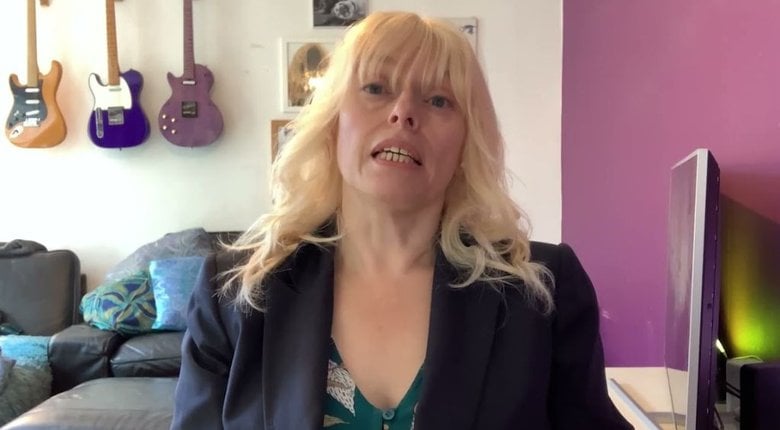
Many blind and partially sighted people were disproportionately affected by the pandemic and the UK's response to it .
The Royal National Institute of Blind People (RNIB) has responded to the report from the third module of the official UK Covid Inquiry which provides limited details of how a repeat of such a situation could be avoided in any future pandemic.
The report by Baroness Hallett released yesterday, (19 March) investigated the impact of the Covid-19 pandemic on the healthcare systems of the UK, which it found were overwhelmed and came close to collapse. That collapse was only narrowly avoided because of the extraordinary efforts of all those working in healthcare across the UK.
RNIB gave evidence at this part of the Covid-19 inquiry in autumn 2024 on behalf of the Disability Charities Consortium (DCC). The DCC is a group of nine disability charities: the Business Disability Forum, Leonard Cheshire, Mencap, Mind, NAS, RNIB, RNID, Scope and Sense.
Responding to the Module 3 report:
Mike Wordingham, RNIB’s Head of Policy, said:
“The Inquiry has done half a job: highlighting failings in the pandemic response, but today’s report falls short of providing real answers as to why disabled people were more likely to die as a result of Covid-19. The evidence is stark. Rates of death for those with a vision impairment aged 30 to 69 years were 8.4 times higher than for those without any sensory impairment.
“When we as blind and partially sighted people really needed information about how to keep ourselves and our communities safe during the pandemic, the shocking lack of forethought about our experience was exposed. Blind and partially sighted people have a legal right to receive accessible health and care information, including in alternative formats like large print, email, braille or audio. Despite this, we still received vital public health information and shielding letters we could not read throughout 2020, potentially putting our lives at risk.
“We would have liked to see specific acknowledgement of the need for accessible health information in the recommendations of this report. Unless existing accessible health information standards in all four nations are fully implemented and voices of disabled people and their representatives listened to, blind and partially sighted people will be failed once more in any future crisis.”
When we as blind and partially sighted people really needed information about how to keep ourselves and our communities safe during the pandemic, the shocking lack of forethought about our experience was exposed.
Watch RNIB's video about how people with sight loss were affected by the coronavirus pandemic here
Notes to Editor
- Estimates for the risk of death involving coronavirus for people with and without hearing and visual impairment. Source: ONS Estimates of coronavirus (COVID-19) related deaths by hearing and vision impairment status, England - Office for National Statistics
This was the third of ten module reports into the UK's handling of the pandemic, with subsequent reports expected later this year.