





Sensory play guides
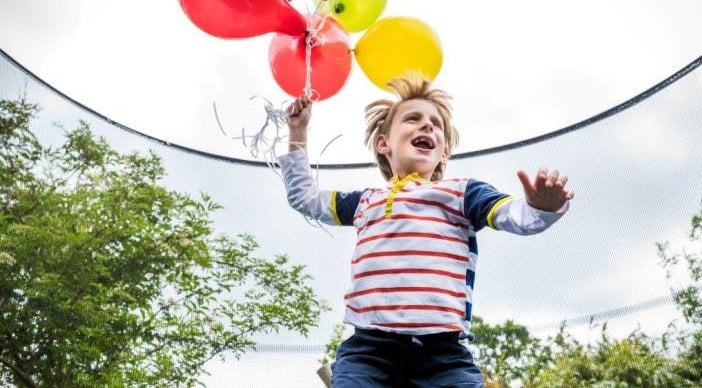
Play and socialising is a vital part of child development. For children with vision impairment, interacting with their peers helps them develop essential social and communication skills.
Our sensory play guides suggest activities and adaptations for fun-filled days with a child with vision impairment at home, out and about, and at activities with their friends.
Let’s Play – toys and play
Sensory play helps children start to understand the world. From the moment they’re born, babies use their vision, sound, smell, touch and taste to learn about everything around them. Written with the support of parents and play specialists, Let’s Play gives ideas for parents to:
- explore and enjoy new objects and concepts
- create engaging play environments
- choose toys and games to suit your child and their needs
Get stuck in:
Messy and Muddy – outdoor play
Playing outside provides the perfect opportunity to stay healthy, have fun and learn more about the world. It can introduce sensations and supported challenges that build a child’s confidence and understanding in new environments.
Written with the support of a Registered Qualified Habilitation Specialist (RQHS), Messy and Muddy suggests simple ways to:
- support your child’s mobility and independence
- make the most of gardens, playgrounds and parks
- embrace the world beyond your home
Get stuck in:
Parties and Playdates – playing with others
Playing with peers is key to developing good social skills. Whether you are preparing to host a party for your own child or wanting advice for including a child with vision impairment in a party or playdate, this resource gives you the inspiration you need to help all your guests take part and enjoy the day together.
Parties and Playdates recommends inclusive approaches to:
- party games, arts and crafts
- parties outside of the home (e.g. cinema and bowling)
- supporting conversations, joint play and friendships
Get stuck in:
Celebrations
Cultural and religious celebrations provide important family and community moments. Experiencing other traditions and values will help your child feel part of a wider community and will expand their understanding of the world.
These guides cover key points in the year, giving ways for children with vision impairment to take part in ta range of different celebrations, including:
- a brief overview and some fun facts
- inclusive activities for all the family
- opportunities to explore each celebration further
Get stuck in:
More resources
Find out more about early years, education and reading: Education and learning tools for visually impaired children | RNIB
Learn about sports, games and leisure for those with vision impairment: Sport and leisure for people with sight loss | RNIB
See more information on child development: Encouraging a child's independence | RNIB | RNIB
Further support
RNIB provides free, specialist advice and support for children and young people with vision impairment – from birth to age 25 – and their families.
If you can’t find what you’re looking for, or you’d like more information about anything mentioned on this page, we can help.
We offer:
- family, early years and transitions support
- support for education professionals
- advice about accessible books, toys and learning materials
- opportunities to meet and talk with other families.
Please contact our Helpline on 0303 123 9999.

